Why Does Water on a Boat Taste Bad?
A Common Problem On Board
Whether you're cruising on a yacht, catamaran or sailing boat, one complaint comes up time and time again: the water doesn't taste right.
A metallic taste, a strong chlorine flavour, or the sensation of stale water can make drinking water unpleasant. More importantly, these changes in taste are often signs of underlying issues within the onboard water system.
Understanding what causes water to taste bad is the first step toward improving comfort on board and ensuring that your drinking water remains safe.
The Most Common Causes of Bad-Tasting Water on a Boat
Several factors can affect the taste of drinking water once it is stored and distributed on board.
Water Stagnation in Freshwater Tanks
Water stored in onboard tanks may remain unused for days or even weeks.
Over time, this can lead to:
- Loss of freshness
- Growth of microorganisms
- Changes in the water's taste and smell
This is one of the most common causes of unpleasant-tasting water on boats.
(see also : Can You Drink Water from a Boat's Freshwater Tank?)
Biofilm Formation
Biofilm is an invisible layer of microorganisms that can develop inside water tanks and plumbing systems.
It may produce compounds responsible for:
- Unusual tastes
- Unpleasant odours
- A stale or aged-water sensation
Even small amounts of biofilm can significantly affect water quality and taste.
(see also : Biofilm in Boat Water Tanks: The Hidden Threat to Drinking Water On Board)
Chlorine and Water Treatment Residues
Marina water supplies are typically treated with chlorine to ensure safety.
However, excessive chlorine levels or changes in residual chlorine can cause:
- A chemical taste
- Strong odours
- An unpleasant drinking experience
This is particularly common in older marina infrastructures or regions where chlorine dosing varies significantly.
(see also : Is Marina Water Safe to Drink? How to Ensure Safe Drinking Water on Your Boat)
Tank and Plumbing Materials
The materials used in water tanks, pipes and fittings can also influence taste.
Certain plastics, coatings or aging components may:
- Release compounds into the water
- Alter flavour
- Intensify odours
These issues can affect both new and older installations.
Environmental and Chemical Contaminants
Source water taken on board may contain traces of:
- Heavy metals
- Pesticide residues
- Microplastics
- Organic contaminants
Even at very low concentrations, these substances can affect the taste of water.
(see also : Why Standard Boat Water Filters Aren't Enough for Safe Drinking Water)
Why Bad Taste Should Never Be Ignored
An unusual taste is often more than just an inconvenience.
An Early Warning Sign
Changes in taste can indicate:
- Microbiological contamination
- Chemical degradation
- Extended water stagnation
Even crystal-clear water may no longer be suitable for drinking.
Impact on Water Consumption
When onboard water tastes unpleasant:
- Passengers tend to avoid drinking it
- Bottled-water consumption increases
- The overall onboard experience suffers
For charter yachts, this can directly affect guest satisfaction and perceived service quality.
(see also : Safe Drinking Water on Charter Yachts: Responsibilities, Risks and Best Practices)
Why Basic Filters Are Not Enough
Many boats rely on simple filtration systems to improve water taste.
Activated Carbon Filters
Carbon filters are effective at:
- Reducing chlorine
- Improving taste
- Removing certain odours
However, they do not address every type of contaminant.
The Limits of Basic Filtration
Standard filtration systems generally cannot remove:
- Bacteria
- Viruses
- Dissolved contaminants
- Many chemical compounds
As a result, the taste may improve temporarily while the underlying issue remains unresolved.
(see also : Ultrafiltration vs Reverse Osmosis for Yachts: Which Water Treatment System Is Best?)
Reverse Osmosis: A Long-Term Solution
Achieving consistently clean, neutral-tasting water requires deeper purification.
Comprehensive Water Treatment
Reverse osmosis can remove:
- Microorganisms
- Dissolved salts
- Heavy metals
- Chemical contaminants
The result is water that is:
- Neutral in taste
- Odour-free
- Consistent over time
Independence from Marina Water Quality
With a properly designed reverse osmosis system, water quality becomes independent of:
- The marina
- The country
- The local water network
This allows boat owners and crews to enjoy consistent drinking water wherever they travel.
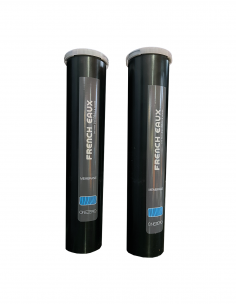
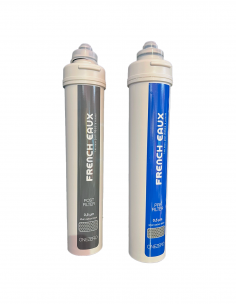
Compact systems such as the OneZero reverse osmosis unit from French Eaux are particularly well suited to onboard installations where space and reliability are critical.
Best Practices to Prevent Bad-Tasting Water
Maintain Freshwater Tanks
Regular maintenance should include:
- Tank cleaning
- Disinfection when necessary
- Inspection of internal surfaces
Minimize Water Stagnation
To preserve water quality:
- Renew stored water regularly
- Avoid leaving tanks unused for long periods
Maintain Filtration Systems
Proper maintenance includes:
- Replacing filter cartridges on schedule
- Monitoring filtration performance
- Inspecting components for wear
(see also : Boat Water Filtration Maintenance: How to Keep Drinking Water Safe On Board)
Watch for Early Warning Signs
Pay attention to:
- Changes in taste
- New odours
- Variations in water appearance
These indicators should never be ignored.
Conclusion
Bad-tasting water on a boat is rarely a minor issue. It can reveal problems related to storage conditions, contamination, water quality or inadequate treatment.
In the marine environment, where conditions constantly change, ensuring pleasant and safe drinking water requires a comprehensive approach.
By combining proper tank maintenance with effective filtration and purification, boat owners can enjoy clean, neutral-tasting water that meets the demands of life at sea.
At French Eaux, we believe that drinking water on board should be as safe, reliable and enjoyable as the journey itself.



Comments (0)