Boat Water Filtration Maintenance: How to Keep Drinking Water Safe On Board
Installing a Water Purification System Is Only the Beginning
Many yacht owners invest in advanced water-treatment systems to improve onboard drinking water quality. Reverse osmosis systems, water dispensers and dedicated drinking-water taps can dramatically improve safety, comfort and convenience.
However, even the most advanced equipment requires regular maintenance to continue performing as intended.
A neglected filtration system can gradually lose efficiency, allowing contaminants to accumulate within tanks, plumbing systems and distribution points.
Maintaining safe drinking water on board requires more than installation—it requires a long-term maintenance strategy.
Why Water System Maintenance Matters
Freshwater systems operate in a challenging marine environment.
Unlike residential plumbing, onboard systems are exposed to:
- Temperature fluctuations
- Vessel movement and vibration
- Variable marina water quality
- Long periods of water storage
- Confined tanks and pipework
Without proper maintenance, these conditions can encourage contamination even when the water was originally purified.
Common Problems Caused by Poor Maintenance
Biofilm Development
Biofilm is a thin layer of microorganisms that can form on the inside surfaces of tanks, hoses and plumbing systems.
Once established, biofilm can become a persistent source of contamination.
Bacterial and Algal Growth
Stagnant water creates ideal conditions for microorganisms to multiply, particularly during warm-weather cruising.
Reduced Filtration Performance
Clogged filters and fouled membranes gradually lose effectiveness, reducing water quality and system efficiency.
In some cases, untreated issues can compromise drinking water quality within only a few weeks.
Freshwater Tank Inspection and Cleaning
Freshwater tanks are often overlooked despite being one of the most critical components of the onboard water system.
Recommended Cleaning Schedule
- Complete tank cleaning every 6 to 12 months
- Monthly visual inspections
- Additional inspections after long lay-up periods
The ideal frequency depends on vessel usage, water consumption and cruising conditions.
Best Practices for Tank Maintenance
Flush Systems Regularly
Periodic flushing helps reduce sediment accumulation and limits biofilm development.
Avoid Long-Term Water Stagnation
Whenever possible, refresh stored water regularly rather than allowing it to remain unused for extended periods.
Inspect Valves and Plumbing
Check for leaks, restrictions or damaged components that may contribute to contamination.
These simple practices can significantly improve both water quality and equipment longevity.
Maintaining a Reverse Osmosis System
Reverse osmosis remains one of the most effective technologies for onboard drinking water purification.
However, membrane performance depends on proper maintenance.
The OneZero Reverse Osmosis System was specifically designed for marine applications, combining compact dimensions with non-electric operation.
To maintain optimal performance:
- Replace filters according to the system's rated capacity
- Monitor operating pressure
- Inspect the membrane periodically
- Check for leaks or unusual deposits
- Verify water production remains consistent
Regular inspections help maintain purification efficiency and extend membrane life.
It is a product by French Eaux to provide purified water on board.
Maintaining a Water Dispenser
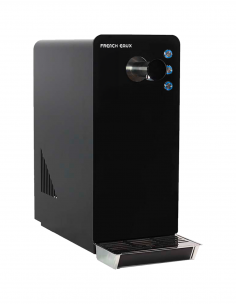
Water dispensers improve accessibility and encourage regular hydration, particularly on larger yachts and charter vessels.
To maintain hygiene and performance:
- Clean internal water circuits regularly
- Monitor water flow rates
- Verify cooling and sparkling-water functions
- Replace filtration cartridges when required
- Inspect dispensing points for cleanliness
Routine maintenance helps prevent microbial growth while ensuring consistent service quality.
It is a product by French Eaux to provide purified water on board.
Don't Forget the Drinking Water Tap
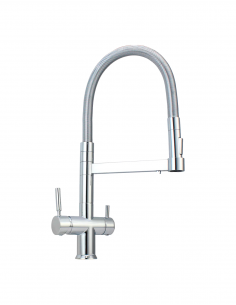
Dedicated drinking-water taps are often used multiple times per day and should be included in every maintenance routine.
Regular inspections should include:
- Verification of separate drinking-water and domestic-water circuits
- Inspection of seals and fittings
- Cleaning aerators and outlets
- Monitoring for limescale or biological buildup
These small tasks help maintain water quality directly at the point of consumption.
Recommended Maintenance Schedule
A structured maintenance plan makes it easier to maintain consistent water quality throughout the year.
Monthly
- Visual tank inspection
- Water-flow verification
- Valve and plumbing inspection
- Check for leaks
Every 3 to 6 Months
- Replace pre-filters
- Replace post-filters if required
- Inspect water quality and system performance
Annually
- Complete freshwater tank cleaning
- Deep inspection of filtration systems
- Reverse osmosis membrane assessment
- Water dispenser servicing
- Plumbing-system review
Following a preventative maintenance schedule is significantly more effective than waiting for problems to appear.
Warning Signs That Your System Needs Attention
Several indicators may suggest maintenance is overdue:
- Unusual tastes or odours
- Reduced water flow
- Changes in water clarity
- Increased filter pressure drop
- Visible deposits inside tanks or fittings
Addressing these issues early helps prevent larger problems and protects onboard drinking water quality.
Maintenance Is Part of Water Safety
Many boat owners focus on water purification equipment while overlooking the systems that support it.
In reality, drinking-water safety depends on three factors working together:
Water Treatment
Reverse osmosis and filtration remove contaminants.
Water Distribution
Proper plumbing and dispensing systems protect purified water after treatment.
Ongoing Maintenance
Regular inspections and servicing preserve long-term performance.
Neglecting any one of these elements can compromise overall water quality.
Conclusion
Installing a reverse osmosis system or water dispenser is an important step toward safer drinking water on board, but long-term performance depends on proper maintenance.
Regular tank cleaning, filter replacement, membrane inspections and plumbing checks help prevent contamination while preserving system efficiency.
At French Eaux, we support yacht owners, captains and shipyards with reliable water-treatment solutions designed specifically for marine environments. By combining effective purification technology with a proactive maintenance strategy, it becomes possible to enjoy consistently safe, high-quality drinking water wherever you cruise.



Comments (0)