How to Prevent Contaminated Water in Boat Freshwater Tanks
Why Freshwater Tanks Can Become a Hidden Health Risk
Freshwater is one of the most important resources aboard any yacht, catamaran or cruising vessel. It is used daily for drinking, cooking, brushing teeth, washing dishes and personal hygiene.
Yet many boat owners underestimate the risks associated with storing water onboard.
Unlike residential water systems, marine freshwater tanks operate in a challenging environment. Water may remain stored for extended periods, temperatures fluctuate significantly, and the quality of marina water varies from one destination to another.
As a result, water that was perfectly safe when loaded aboard can gradually become contaminated during storage.
Understanding these risks is the first step toward ensuring consistently safe drinking water at sea.
Why Water Stored On Board Becomes Contaminated
Freshwater tanks are rarely emptied completely and often remain partially filled during periods of inactivity.
These conditions create an ideal environment for microbial growth.
Several factors contribute to contamination:
- Extended water stagnation
- Elevated temperatures in lockers and bilges
- Organic matter and nutrients present in the system
- Biofilm development on tank surfaces
- Plastic components, hoses and seals that encourage microbial colonisation
Even when filled with potable marina water, a tank can become a breeding ground for microorganisms within days or weeks.
Common Contaminants Found in Boat Water Tanks
One of the biggest challenges is that contaminated water often looks perfectly clean.
Many harmful contaminants are invisible and odourless.
Frequently detected contaminants include:
- Coliform bacteria
- Legionella bacteria
- Algae
- Fungal growth
- Biofilm
- Giardia and Cryptosporidium cysts
- Microplastics
- Chlorine by-products
- Hydrocarbons
- Agricultural pollutants
- Pharmaceutical residues
- Endocrine-disrupting compounds
A clear appearance should never be considered proof that water is safe to drink.
Health Risks for Crew and Passengers
Poor water quality can affect everyone on board.
Potential consequences include:
- Gastrointestinal illness
- Bacterial infections
- Skin irritation
- Unpleasant taste and odour issues
- Increased risks for children, elderly passengers and long-term crew members
For charter yachts and luxury vessels, water quality also directly impacts guest satisfaction and onboard reputation.
Why Basic Filtration Is Often Not Enough
Many boats still rely on simple treatment methods such as:
- Sediment filters
- Activated carbon cartridges
- Occasional chemical disinfection
While these technologies remain valuable as pre-treatment stages, they do not provide comprehensive protection.
Their limitations include:
- Limited virus removal
- Inability to remove nitrates
- Poor performance against dissolved contaminants
- No protection against contamination occurring inside storage tanks
Ultrafiltration improves microbial protection but remains less effective against many modern chemical contaminants.
Reverse Osmosis: The Most Effective Barrier Against Water Contamination
When it comes to onboard drinking water safety, reverse osmosis remains the most comprehensive treatment technology available.
Operating at the molecular level, reverse osmosis membranes can significantly reduce:
- Bacteria
- Viruses
- Nitrates
- Heavy metals
- Microplastics
- Pharmaceutical residues
- PFAS and other persistent chemicals
- Dissolved contaminants responsible for taste and odour problems
Modern reverse osmosis systems are capable of producing exceptionally high-quality drinking water, even when incoming water quality is inconsistent.
For this reason, reverse osmosis has become the preferred solution aboard many modern yachts and long-range cruising vessels.
Where Should Water Filtration Be Installed on a Boat?
The most effective approach treats the entire water chain rather than focusing on a single point.
A typical marine filtration setup includes:
Step 1: Marina Water Intake
Sediment filtration removes sand, rust and suspended particles before they enter the vessel.
Step 2: System Protection
Activated carbon filtration helps reduce chlorine, odours and certain organic compounds.
Step 3: Final Purification
Reverse osmosis provides the highest level of contaminant removal.
Step 4: Distribution
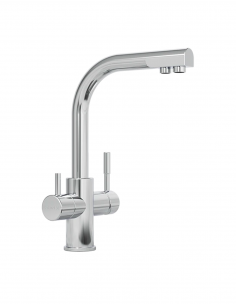
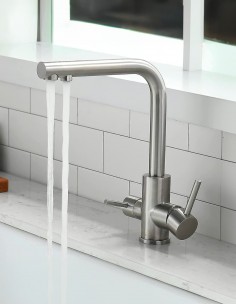
Purified water is delivered directly to taps, dedicated drinking water outlets or water dispensers.
Installing the reverse osmosis system downstream of the freshwater tank helps mitigate the risks associated with water stagnation and storage.
Why Compact Reverse Osmosis Systems Are Ideal for Boats
Many owners assume reverse osmosis systems are too large or complex for marine applications.
Modern compact systems have changed that perception.
Advantages include:
- Minimal space requirements
- No electrical consumption for certain models
- Reliable operation using existing water pressure
- Installation under sinks or inside technical lockers
- Low maintenance requirements
For many yacht owners, a compact reverse osmosis system provides the simplest and most reliable method for producing safe drinking water onboard.
Combining Reverse Osmosis and a Water Dispenser
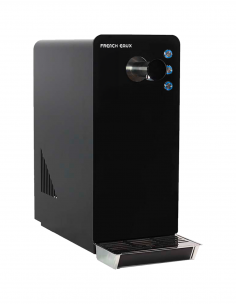
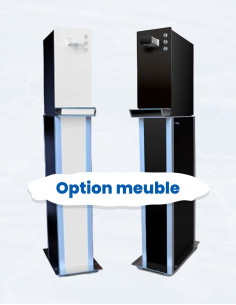
On larger yachts and vessels carrying multiple guests, combining reverse osmosis with a dedicated water dispenser offers additional benefits.
This configuration separates production from distribution:
- The reverse osmosis system quietly produces purified water.
- The dispenser provides convenient access to drinking water for passengers and crew.
The result is improved comfort, higher flow rates and greater confidence in water quality throughout the vessel.
Best Practices to Prevent Recontamination
Even the most advanced filtration system should be supported by proper maintenance procedures.
Recommended practices include:
- Regular tank cleaning and sanitisation
- Avoiding prolonged water stagnation
- Replacing filters according to manufacturer specifications
- Inspecting hoses, fittings and seals
- Monitoring system performance
- Protecting installations from corrosion and vibration
Preventive maintenance remains one of the most effective ways to maintain safe drinking water aboard.
Conclusion
Freshwater tanks represent one of the most overlooked health risks on boats and yachts.
Marine water filtration should not be considered an optional accessory but an essential component of onboard safety and comfort.
At French Eaux, we believe reverse osmosis offers the most reliable solution for producing safe drinking water regardless of marina water quality or storage duration.
By combining proper water analysis, effective filtration, reverse osmosis purification and well-designed distribution systems, boat owners can ensure consistently high-quality drinking water wherever their journeys take them.



Comments (0)